Introduction
Teeth cleaning is a simple but vital part of oral care. It helps keep your mouth healthy and your smile bright. Regular teeth cleaning removes plaque and food particles. As a result, it lowers your risk of cavities and gum disease. In this blog, you will learn about teeth cleaning, why it matters, and how to keep your teeth in top shape.
What is Teeth Cleaning?
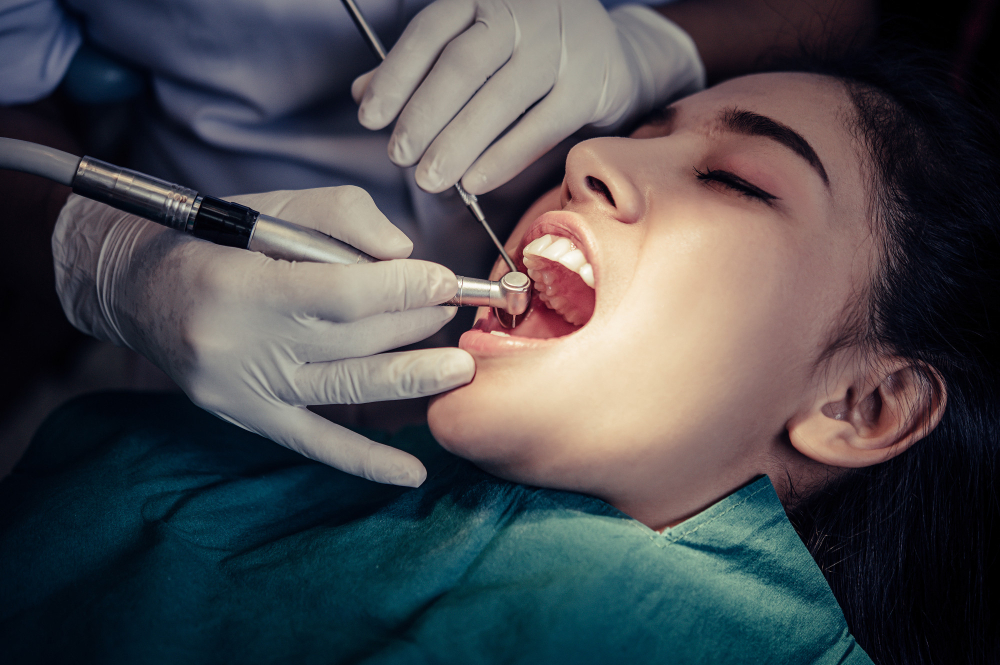
Teeth cleaning means removing plaque, tartar, and stains from your teeth. Plaque is a sticky film of bacteria that forms on teeth. If not removed, it can harden into tartar. While brushing and flossing help, sometimes only a dental professional can remove tartar. Therefore, both at-home and professional teeth cleaning are important for oral health.
Why is Teeth Cleaning Important?
Regular teeth cleaning keeps your mouth healthy. It helps prevent tooth decay, gum disease, and bad breath. According to the CDC, gum disease can lead to tooth loss if not treated. In addition, clean teeth can boost your confidence and help you smile more often. Good oral hygiene also supports your overall health. For example, studies show a link between gum disease and heart problems.
Professional Teeth Cleaning Procedure
During a professional dental cleaning, your dentist or hygienist will:
Usually, the process is painless and takes about 30 to 60 minutes. However, if you have a lot of tartar or sensitive gums, you may feel mild discomfort. But your dental team will help you stay comfortable throughout the visit.
At-Home Teeth Cleaning Tips
While professional cleanings are key, daily care at home is just as important. Here are some easy oral hygiene tips:
Additionally, avoid smoking or chewing tobacco, as these can harm your teeth and gums.
Common Myths About Teeth Cleaning
Many people believe myths about teeth cleaning. Let’s clear up some common ones:
How Often Should You Get Your Teeth Cleaned?
Most dentists recommend a professional dental cleaning every six months. However, some people may need more frequent visits. For example, if you have gum disease or a high risk of cavities, your dentist may suggest cleaning every three to four months. Always follow your dentist’s advice for the best results.
Prevention and Maintenance for Oral Health
Keeping your teeth clean is the best way to prevent dental problems. Here are some simple steps:
With these habits, you can enjoy a healthy smile for life. Remember, prevention is easier than treatment.
Conclusion
Teeth cleaning is a key part of oral health. It helps prevent cavities, gum disease, and keeps your smile bright. Both at-home care and professional cleanings matter. For the best advice, consult your dentist for personalized teeth cleaning tips and care.