Dental scaling is a professional teeth cleaning method that removes plaque and tartar from your teeth. It is an important part of keeping your mouth healthy. Many people do not realize how dental scaling helps in preventing gum disease and improving oral hygiene. In this blog, you will learn about dental scaling, its benefits, the procedure, and how it impacts your oral health. You will also find tips for aftercare and answers to common questions. If you have ever searched for “dental scaling near me,” this guide is for you.
What is Dental Scaling?
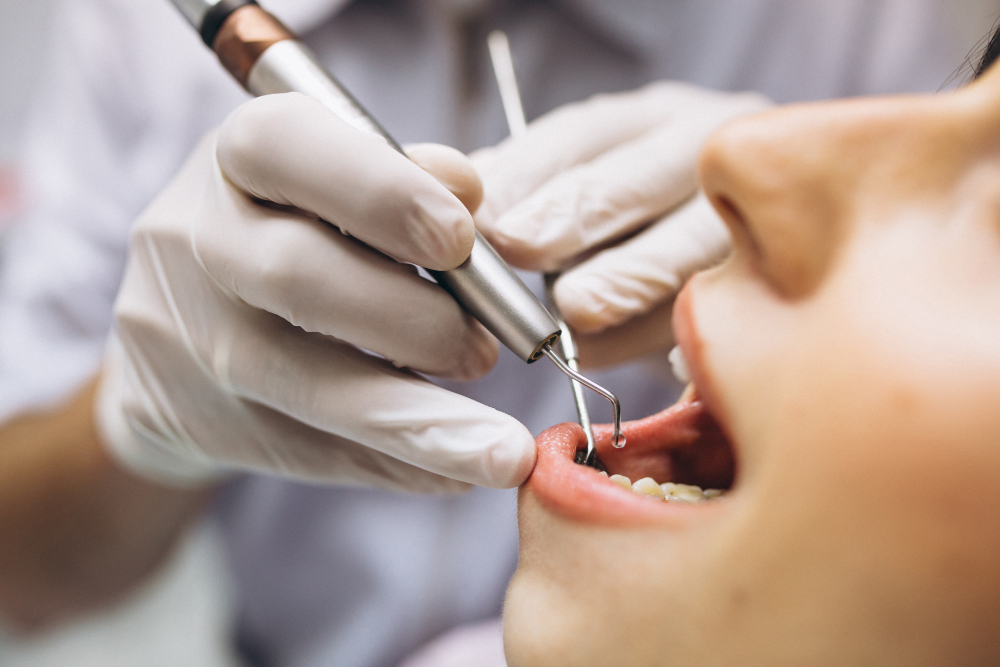
Dental scaling is a deep cleaning process done by a dentist or dental hygienist. During this procedure, special tools remove plaque and tartar from your teeth and below the gumline. Plaque is a sticky film of bacteria. If not removed, it hardens into tartar, which can lead to gum problems. Unlike regular brushing, dental scaling reaches areas that are hard to clean at home. According to the American Dental Association, scaling is a key step in keeping your gums healthy.
Why is Dental Scaling Important?
First, dental scaling helps prevent gum disease. Gum disease can cause bleeding, swelling, and even tooth loss. Also, scaling removes harmful bacteria that can damage your teeth and gums. Over time, skipping dental scaling may lead to serious oral health issues. For example, untreated tartar can cause infections. Therefore, regular scaling is vital for a healthy mouth.
Benefits of Regular Dental Scaling
There are many oral hygiene benefits to dental scaling. Some of the main advantages include:
In addition, regular scaling can help you avoid costly dental treatments in the future. The World Health Organization notes that good oral hygiene lowers the risk of many health problems.
The Dental Scaling Procedure: What to Expect
Many people feel nervous about dental scaling, but the process is simple and safe. Here is what usually happens:
Most people feel only mild discomfort during the procedure. However, if your gums are sensitive, your dentist can use a numbing gel. The entire process usually takes less than an hour.
How Often Should You Get Dental Scaling?
How often you need dental scaling depends on your oral health. For most people, dentists recommend scaling every six months. However, if you have gum disease or heavy tartar buildup, you may need it more often. Your dentist will suggest the best schedule for you. Regular check-ups help keep your teeth and gums in top shape.
Tips for Maintaining Oral Health After Scaling
After dental scaling, it is important to care for your mouth. Here are some simple tips:
By following these steps, you can keep your teeth clean and healthy for longer.
Frequently Asked Questions About Dental Scaling
Is dental scaling painful?
Most people feel only slight discomfort. Dentists can use numbing gel if needed.
Can dental scaling damage my teeth?
No, dental scaling is safe when done by a trained professional. It does not harm your teeth or gums.
How long does the procedure take?
Usually, dental scaling takes 30 to 60 minutes, depending on the amount of tartar.
Will my teeth be sensitive after scaling?
Some people notice mild sensitivity, but it usually goes away in a few days.
Consult a dental professional for personalized advice on dental scaling and oral health.