What is a Chipped Tooth?
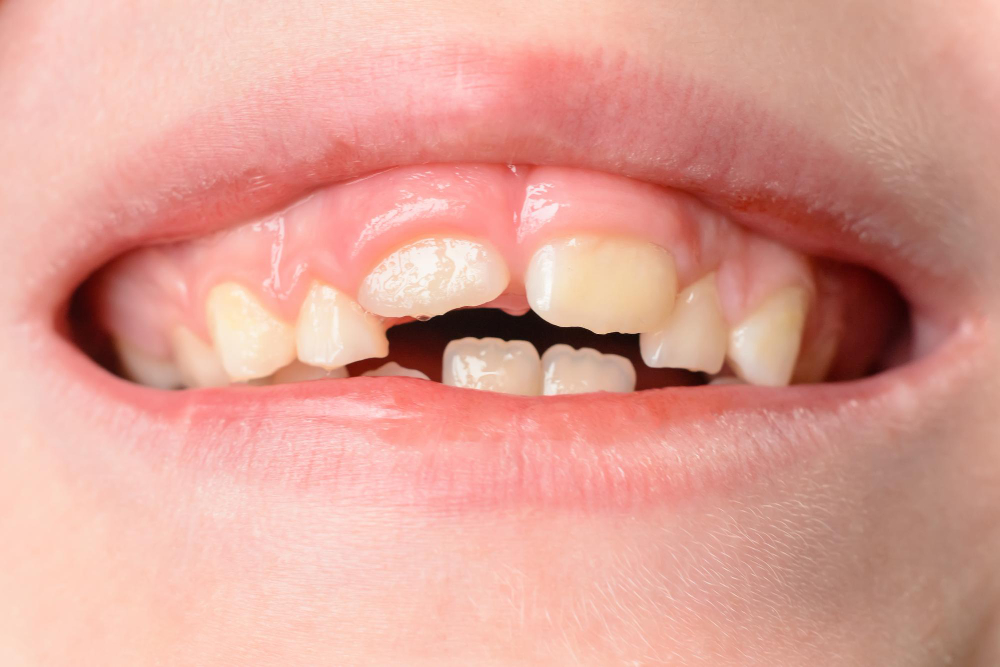
A chipped tooth happens when a small part of your tooth breaks off. This can make your tooth look uneven or feel rough. Sometimes, you may notice a sharp edge. A chipped tooth is common, and many people experience it at some point. Early care is important because, even if it seems minor, a chipped tooth can lead to other problems if left untreated.
Common Causes of Chipped Teeth
Many things can cause a chipped tooth. For example, you might bite down on something hard. Or, you could get hit in the mouth during sports. Sometimes, teeth chip because they are already weak. Here are some common causes:
Because chipped teeth can happen to anyone, it is helpful to know the risks.
Symptoms and Risks of a Chipped Tooth
Often, you will notice a chipped tooth right away. However, some chips are small and easy to miss. Look for these signs:
Even a small chip can lead to bigger problems. For instance, bacteria can enter the tooth and cause decay. In some cases, the tooth may crack further. Therefore, it is important to see a dentist if you notice any of these symptoms.
Overview of Composite Resin Treatment
Composite resin is a tooth-colored material that dentists use to repair a chipped tooth. This treatment is also called dental bonding. Because composite resin blends with your natural tooth, it looks very natural. Dentists often choose this method for small to medium chips. According to the American Dental Association, composite resin is safe and effective for many patients.
Step-by-Step: How Dentists Use Composite Resin for Chipped Teeth
Fixing a chipped tooth with composite resin is a simple process. Here is how dentists usually do it:
This process usually takes less than an hour. Most people do not need numbing, but your dentist will let you know if it is needed.
Benefits and Limitations of Composite Resin
Composite resin for a chipped tooth has many benefits. For example, it is quick and painless. Also, it matches your natural tooth color. Here are some key benefits:
However, there are some limitations. Composite resin may not last as long as other materials. It can chip or stain over time, especially if you bite hard objects. Still, with good care, it can last several years.
Aftercare and Prevention Tips
After fixing a chipped tooth, you should take care of your teeth to keep the repair strong. Here are some tips:
By following these steps, you can help prevent future chips and keep your smile healthy.
Frequently Asked Questions
In summary, a chipped tooth is common but treatable. Composite resin offers a quick and natural-looking fix. For the best results, consult a dentist for personalized advice on treating a chipped tooth.