
What is Bruxism?
Bruxism means you grind or clench your teeth, often while you sleep. Many people do not know they have this habit. However, it can cause problems over time. Night guards for bruxism are a common way to protect your teeth from this damage. According to the American Dental Association, bruxism affects both children and adults. While some people only grind their teeth at night, others may do it during the day as well.
Symptoms and Risks of Teeth Grinding
Bruxism can be hard to notice at first. Still, it can lead to several symptoms and risks. For example, you might wake up with a sore jaw or headache. Over time, teeth grinding can damage your teeth and gums.
If left untreated, bruxism can even lead to broken teeth or dental work. Therefore, early action is important.
How Night Guards Help
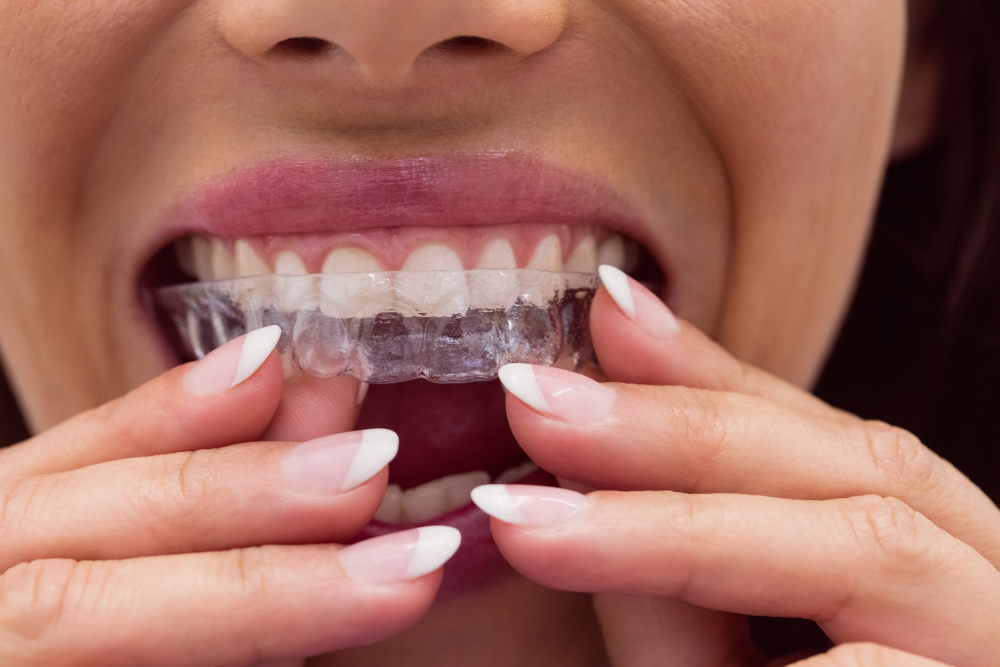
Night guards for bruxism are special mouthpieces you wear while you sleep. They create a barrier between your upper and lower teeth. As a result, your teeth do not grind against each other. This helps prevent dental damage from grinding. In addition, night guards can reduce jaw pain at night and help you sleep better. Many dentists recommend them as a first step in teeth grinding solutions.
Types of Night Guards
There are several types of night guards for bruxism. Each type has its own benefits. For instance, some are made by dentists, while others are available at stores.
Because everyone’s mouth is different, it is important to choose the right type for your needs.
How to Choose the Right Night Guard
Choosing the right night guard depends on your comfort, budget, and dental needs. First, talk to your dentist about your symptoms. They can suggest the best option for you. For example, if you have severe grinding, a custom-fitted guard may work best. On the other hand, if you need a quick solution, a boil-and-bite guard might help. Always make sure the guard feels comfortable and stays in place while you sleep.
Care and Maintenance Tips
Proper care keeps your night guard clean and effective. Otherwise, bacteria can build up and cause mouth problems. Here are some easy tips:
Additionally, bring your night guard to dental checkups. Your dentist can check for wear and make sure it still fits well.
When to See a Dentist
If you notice signs of teeth grinding or jaw pain at night, see a dentist soon. Early treatment can prevent serious dental damage from grinding. Moreover, your dentist can check for other causes of jaw pain. Sometimes, other health issues can cause similar symptoms. Therefore, a dental visit is the best way to get the right diagnosis and treatment.
Prevention and Lifestyle Tips
Besides using night guards for bruxism, you can try other ways to reduce teeth grinding. These tips may help:
In some cases, your dentist may suggest other teeth grinding solutions. For example, they may recommend physical therapy or counseling for stress.
Conclusion
Night guards for bruxism can protect your teeth and reduce jaw pain at night. Because early action is key, do not wait if you notice symptoms. Consult a dentist for personalized advice on night guards for bruxism. Your smile and comfort are worth it.