
What Are Dental Implants?
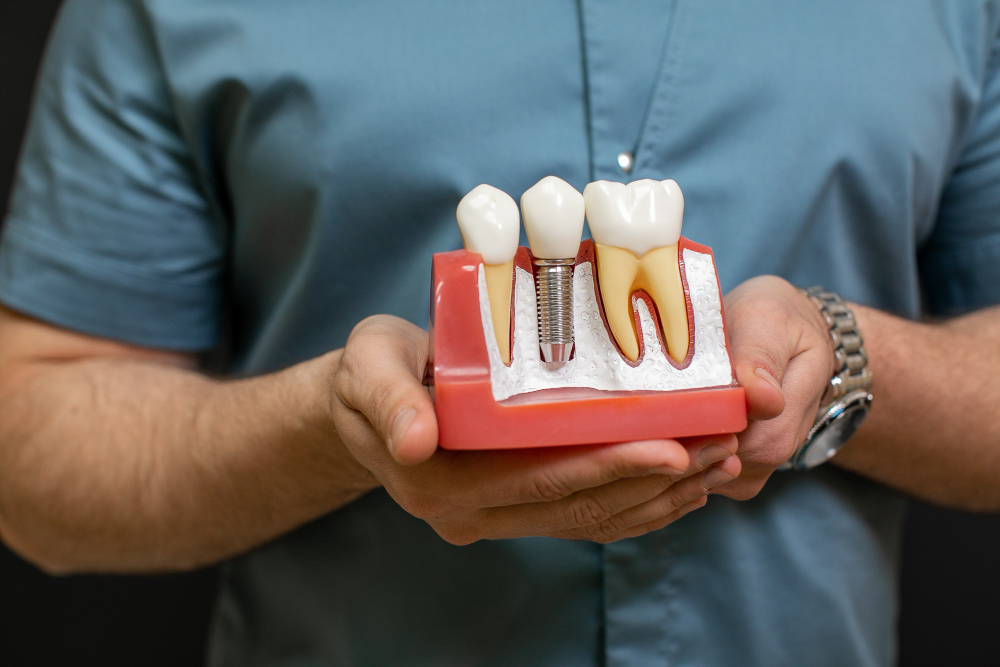
Dental implants are small metal posts that dentists place in your jawbone. They act as roots for artificial teeth. Because they are strong and stable, dental implants help replace missing teeth. Many people choose them for a natural look and feel. In fact, dental implants are a popular solution for tooth loss.
Who Needs Dental Implants?
Not everyone needs dental implants. However, some people benefit more than others. For example, you may need dental implants if you:
Sometimes, people with broken or decayed teeth also need implants. If you want a stable and natural-looking smile, dental implants might be right for you.
Common Reasons for Dental Implants
People choose dental implants for many reasons. Often, they want to:
Additionally, dental implants can boost your confidence. They help you smile, eat, and talk without worry.
Benefits of Dental Implants
Dental implants offer many benefits. For instance, they:
Because of these benefits, dental implants are a top choice for tooth replacement.
How Dental Implants Work
First, a dentist places a small metal post into your jawbone. Over time, your bone grows around the post. This process is called osseointegration. Next, the dentist attaches a connector and a new tooth to the post. As a result, the implant stays secure and strong. The whole process may take several months, but the results are long-lasting.
Candidacy: Who Is Not Suitable?
While many people can get dental implants, some are not good candidates. For example, you may not be suitable if you:
Even so, your dentist may suggest other options or treatments to help you qualify in the future.
What to Expect: Consultation and Procedure
First, your dentist will check your mouth and take X-rays. Then, they will discuss your options and answer your questions. If you are a good candidate, the dentist will plan the procedure. The process usually includes:
Because healing takes time, the full process may last several months. However, most people find the wait worthwhile.
Risks and Considerations
Like any surgery, dental implants have some risks. For example, you may have:
However, these problems are rare. Choosing a skilled dentist and following care instructions can lower your risk. The American Dental Association and CDC both recommend regular check-ups for implant care.
Prevention and Oral Care Tips
Good oral care helps your dental implants last longer. For best results, you should:
With these habits, you can keep your mouth healthy and protect your implants.
Conclusion
Dental implants are a safe and effective way to replace missing teeth. They offer many benefits and can improve your quality of life. If you are considering dental implants, consult a dental specialist to find out if dental implants are right for you.