
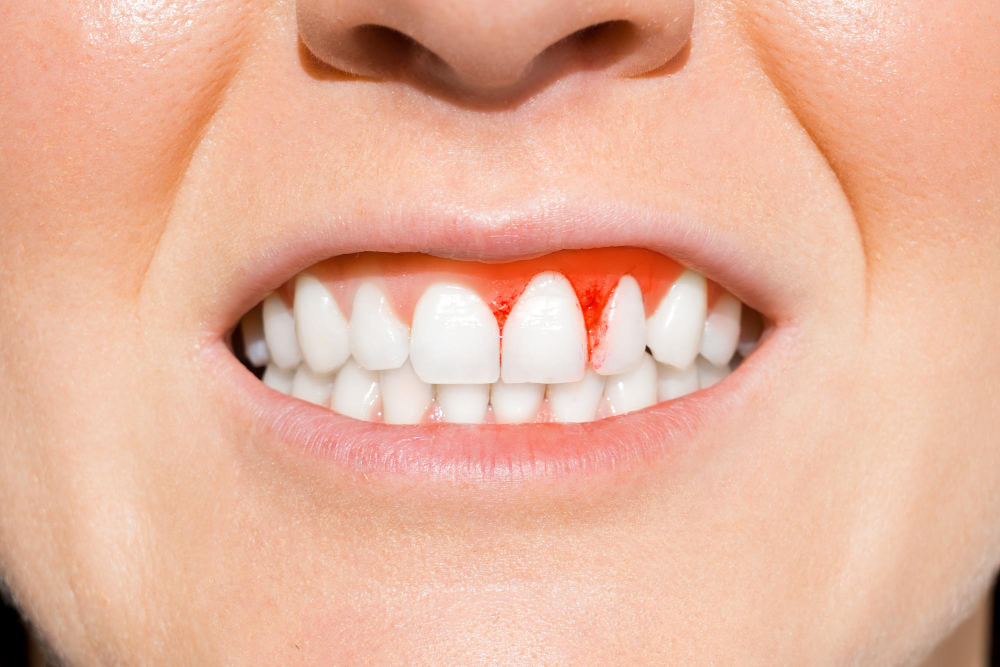
What Are Bleeding Gums?
Bleeding gums happen when your gums bleed during brushing or flossing. Sometimes, you may notice blood on your toothbrush or in the sink. While this may seem minor, it is a sign that your gums need attention. Healthy gums should not bleed. In fact, bleeding gums can be an early warning sign of gum problems.
Why Are Bleeding Gums Common?
Many people experience bleeding gums at some point. According to the CDC, almost half of adults have some form of gum disease. Because of this, bleeding gums are common. However, many think it is normal. Some believe that a little blood is not a big deal. Yet, this is a misconception. Bleeding gums are a sign that something is wrong with your gum health.
Why Bleeding Gums Are Not Normal
Although bleeding gums are common, they are not normal. In most cases, healthy gums do not bleed. When your gums bleed, it means your body is reacting to irritation or infection. Over time, untreated bleeding gums can lead to serious problems. For example, gum disease can cause tooth loss. Additionally, gum problems can affect your overall health. Therefore, it is important to take bleeding gums seriously.
Common Causes of Bleeding Gums
There are several reasons why gums may bleed. Understanding these causes can help you protect your gum health. Some common causes include:
Because these causes vary, it is important to find out what is affecting your gums.
Symptoms to Watch For
Bleeding is not the only sign of gum problems. In addition, you should watch for:
If you notice any of these symptoms, it is time to take action. Early treatment can prevent more serious issues.
Diagnosis: When to See a Dentist
Sometimes, bleeding gums may stop with better brushing. However, if your gums keep bleeding, you should see a dentist. In fact, regular dental checkups help catch problems early. Your dentist will check your gums, teeth, and mouth. They may ask about your brushing habits and health history. In some cases, they may take X-rays to look for deeper issues. Early diagnosis is key to stopping gum disease before it gets worse.
Treatment Options for Bleeding Gums
There are many ways to treat bleeding gums. Your dentist will suggest the best plan for you. Treatment may include:
At home, you can help by brushing twice a day and flossing daily. Always use a soft-bristled toothbrush. If you smoke, try to quit. In addition, eat a balanced diet rich in vitamins and minerals. These steps can help stop bleeding gums and improve your gum health.
Prevention Tips and Healthy Oral Hygiene Habits
Preventing bleeding gums is possible with good habits. Here are some gum health tips:
Because prevention is easier than treatment, these habits can keep your gums healthy.
When Bleeding Gums May Signal a Serious Health Issue
Sometimes, bleeding gums can be a sign of a bigger health problem. For example, bleeding gums may be linked to diabetes, blood disorders, or immune system issues. If you have other symptoms like easy bruising, fever, or fatigue, tell your doctor. In rare cases, bleeding gums can be a sign of leukemia or other serious diseases. Therefore, do not ignore ongoing gum bleeding.
Conclusion: Take Action for Healthy Gums
To sum up, bleeding gums are common but not normal. They can be a warning sign of gum disease or other health problems. With proper care and dentist advice for bleeding gums, you can protect your smile. If you notice bleeding gums, consult a dentist for personalized advice and care.