Cracked or Chipped Tooth: What to Do Before You Reach the Dentist

Introduction

A cracked or chipped tooth happens when a part of your tooth breaks or splits. This dental emergency can cause pain, sensitivity, or sharp edges in your mouth. If you have a cracked or chipped tooth, quick action is important. Acting fast can help prevent more damage and reduce pain. Even though you should see a dentist soon, there are steps you can take before you reach the dentist. These steps can protect your tooth and keep you comfortable.

Symptoms of a Cracked or Chipped Tooth

Sometimes, a cracked or chipped tooth is easy to spot. Other times, the signs are less clear. Look for these common symptoms:

  • Sharp pain when biting or chewing
  • Sudden tooth sensitivity to hot, cold, or sweet foods
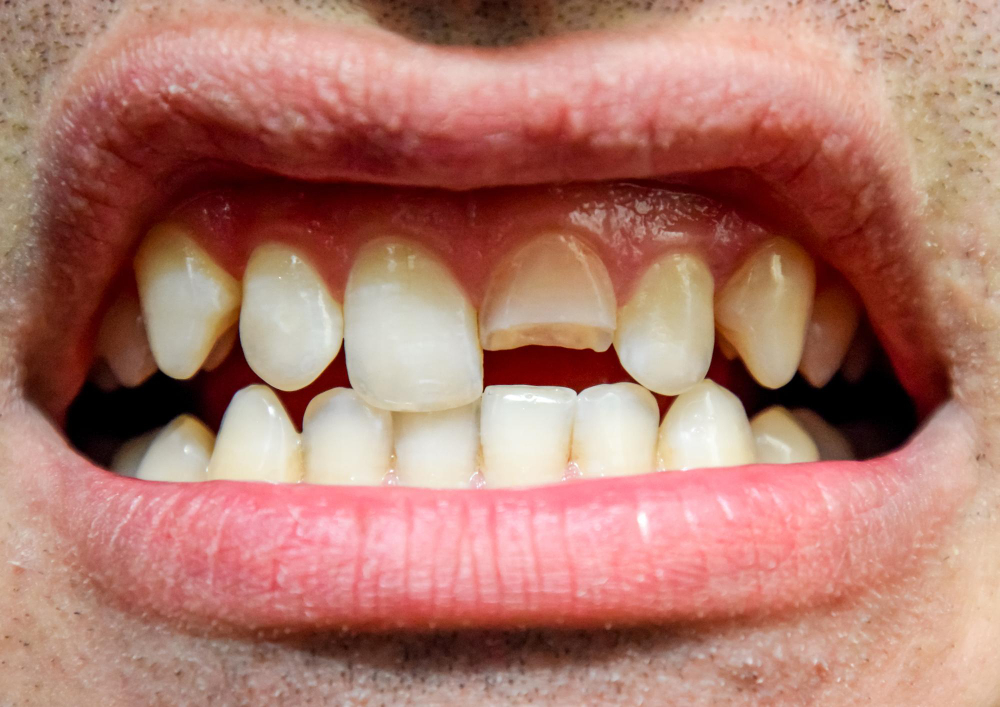
  • A visible crack or chip on the tooth
  • Rough or sharp edges that hurt your tongue or cheek
  • Swelling or tenderness in the gums near the tooth
  • Pain that comes and goes
  • Feeling like something is stuck between your teeth
  • Immediate Steps to Take

    While you wait to see your dentist, you can take simple steps to protect your tooth. These actions can help reduce pain and prevent further injury:

  • Rinse your mouth gently with warm water to clean the area.
  • If there is bleeding, apply gentle pressure with a clean cloth or gauze.
  • Use a cold compress on your cheek to reduce swelling and pain.
  • If you are in pain, take over-the-counter pain medicine like acetaminophen. Avoid aspirin, as it can increase bleeding.
  • Cover any sharp edges with dental wax or sugarless gum to protect your mouth.
  • If you find a broken piece of tooth, keep it in a clean container. You can place it in milk or saliva to keep it moist.
  • Eat only soft foods and avoid chewing on the side with the damaged tooth.
  • What Not to Do

    Some actions can make things worse. To protect your tooth, avoid these mistakes:

  • Do not use your tongue or fingers to poke at the crack or chip.
  • Do not eat hard, crunchy, or sticky foods.
  • Do not use glue or any home repair kits on your tooth.
  • Do not ignore the problem, even if pain goes away.
  • Do not delay seeing a dentist, as waiting can lead to infection or more damage.
  • When to Seek Emergency Care

    In some cases, you need to see a dentist right away. Watch for these red flags:

  • Severe pain that does not go away
  • Heavy bleeding that will not stop
  • Swelling in your face or jaw
  • Signs of infection, such as pus or fever
  • Difficulty breathing or swallowing
  • If you notice any of these symptoms, seek emergency dental care as soon as possible. Quick treatment can prevent serious problems.

    Prevention Tips

    Although accidents can happen, you can lower your risk of a cracked or chipped tooth. Try these simple tips:

  • Wear a mouthguard during sports or physical activities.
  • Avoid chewing on ice, hard candy, or popcorn kernels.
  • Do not use your teeth to open packages or bottles.
  • Practice good oral hygiene by brushing and flossing every day.
  • Visit your dentist for regular check-ups and cleanings.
  • If you grind your teeth at night, ask your dentist about a nightguard.
  • Conclusion

    To sum up, a cracked or chipped tooth is a dental emergency that needs quick care. By following these steps, you can protect your tooth until you reach the dentist. However, only a dental professional can give you the right treatment. For the best results, contact your dentist as soon as possible for personalized advice and care.

    Sources: American Dental Association, Centers for Disease Control and Prevention, Journal of the American Dental Association