
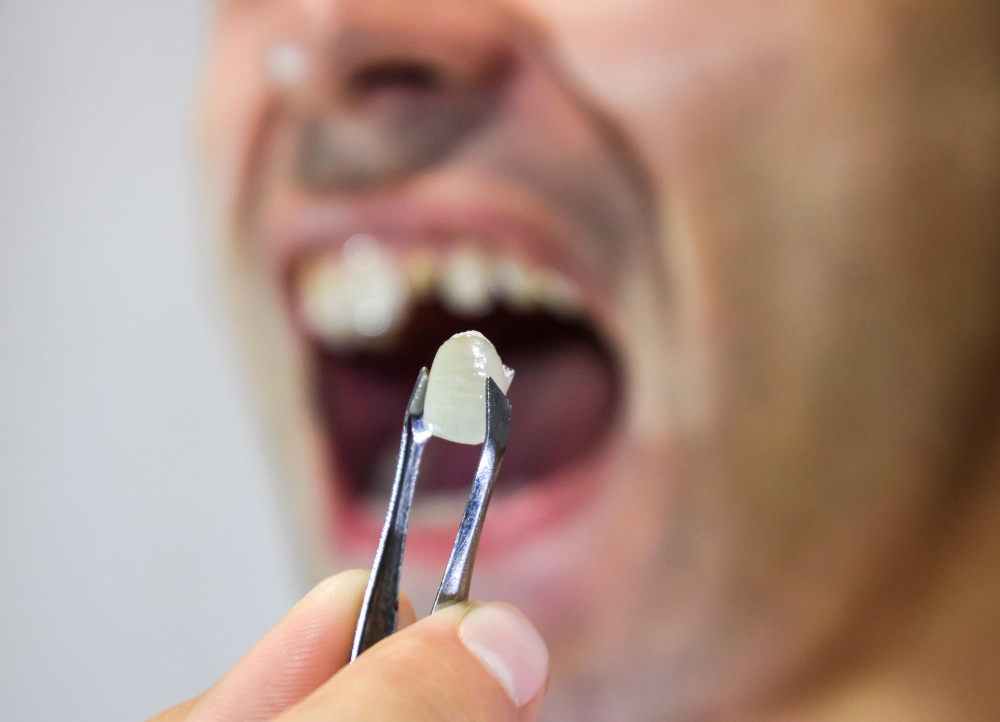
What Are Inlays and Onlays?
Inlays and onlays are special dental treatments. They repair teeth that have moderate damage or decay. Unlike simple fillings, they cover more of the tooth. However, they do not cover the whole tooth like a full crown. Because of this, inlays and onlays are often called the ‘mid-way’ solution between a filling and a full crown. Dentists use them to restore strength and shape to your tooth. Both inlays and onlays are made in a dental lab and then bonded to your tooth. This makes them strong and long-lasting.
When Are Inlays and Onlays Needed?
Sometimes, a tooth has too much damage for a filling but not enough for a crown. In these cases, dental inlays and onlays are a good choice. For example, you may need them if:
Often, your dentist will check your tooth and take X-rays. This helps decide if inlays or onlays are the best option for you.
Benefits of Inlays and Onlays
Inlays and onlays offer many advantages. For instance, they are:
Because of these benefits, many people choose inlays or onlays for tooth restoration options.
The Procedure: What to Expect
Getting inlays or onlays usually takes two visits. First, your dentist will numb the area and remove the damaged part of your tooth. Next, they will take a mold or digital scan of your tooth. This helps create a custom inlay or onlay in a dental lab. While you wait, your dentist may place a temporary filling. At your second visit, the dentist will remove the temporary filling. Then, they will bond the inlay or onlay to your tooth. Finally, they will check your bite and polish the tooth. The process is simple and causes little discomfort.
Aftercare and Longevity
With proper care, inlays and onlays can last many years. To keep them in good shape, follow these tips:
Because they are strong, inlays and onlays often last longer than regular fillings. However, good oral care is still important.
Comparing Inlays, Onlays, Fillings, and Crowns
It helps to know the difference between inlay and onlay treatments and other options. Here is a simple comparison:
Inlays and onlays are the ‘mid-way’ solution. They offer a balance between saving your tooth and giving it strength. If you are searching for “inlays vs crowns” or “difference between inlay and onlay,” this guide can help you decide.
Frequently Asked Questions
Consult your dentist to find out if inlays or onlays are right for you.