
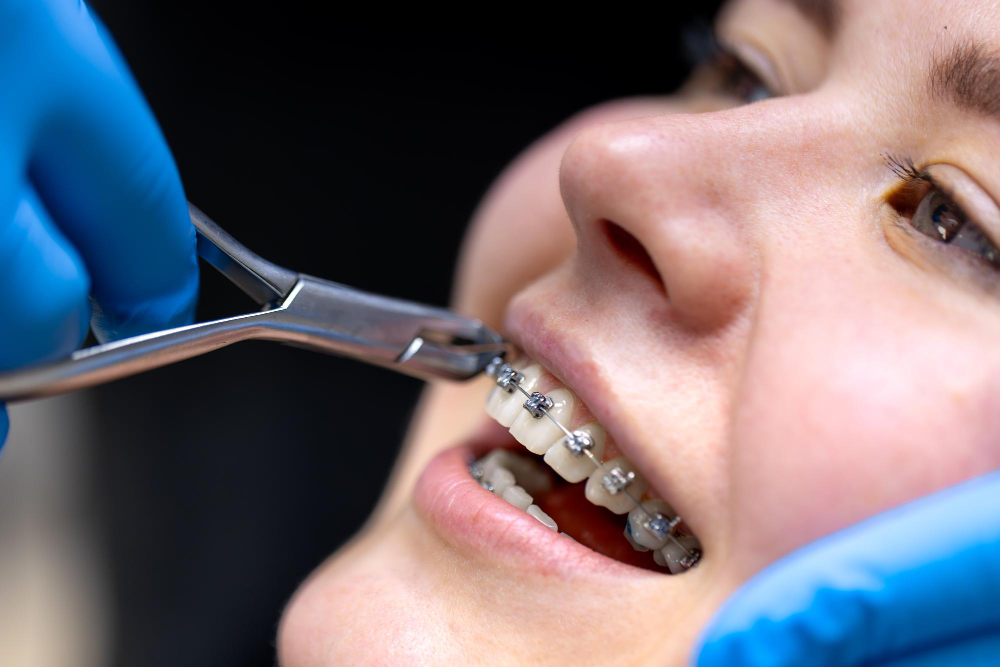
Introduction to Metal Braces
Metal braces are a popular choice for straightening teeth. Many people choose metal braces for orthodontic treatment because they are strong and effective. In fact, both adults and teens can use metal braces to fix crooked teeth or bite problems. If you are thinking about dental braces, it helps to know what to expect and how to care for them.
Benefits of Metal Braces
Metal braces offer many advantages. For example, they are:
Because of these benefits, metal braces remain a top choice for orthodontic care.
How Metal Braces Work
Metal braces use brackets, wires, and bands to move your teeth. First, the dentist attaches small brackets to each tooth. Next, a wire connects these brackets. Over time, gentle pressure from the wire shifts your teeth into better positions. As a result, your smile becomes straighter and healthier.
The Process of Getting Metal Braces
Getting metal braces involves several steps. Here is what you can expect:
Each step is important for a successful outcome. Usually, the process is simple and not painful.
Care and Maintenance Tips for Metal Braces
Proper care helps you avoid problems and keeps your braces working well. Try these tips:
With good care, your treatment will go smoothly and your teeth will stay healthy.
Common Challenges and How to Manage Them
Some people face minor issues with metal braces. However, most problems are easy to manage. For example:
Remember, your dental team is there to help if you have any concerns.
Expected Results and Timeline
Most people wear metal braces for 18 to 24 months. However, the exact time depends on your needs. After treatment, your teeth will be straighter and your bite will improve. In many cases, you will need to wear a retainer to keep your new smile in place. Your orthodontist will guide you on how long to wear it.
Prevention of Complications
To prevent problems, follow your orthodontist’s advice closely. For instance:
By staying on top of your care, you can avoid most complications and enjoy the best results.
Frequently Asked Questions About Metal Braces
Conclusion
Metal braces are a reliable way to achieve a healthy, straight smile. With proper care and regular visits, you can expect great results. If you are considering metal braces, consult a qualified dentist or orthodontist for personalized advice on the best treatment for you.